Point-of-use vs. whole-house
The most expensive water mistake is treating the whole house for a problem that only matters at the kitchen tap. Where treatment belongs comes down to one question: how does the contaminant actually reach you?
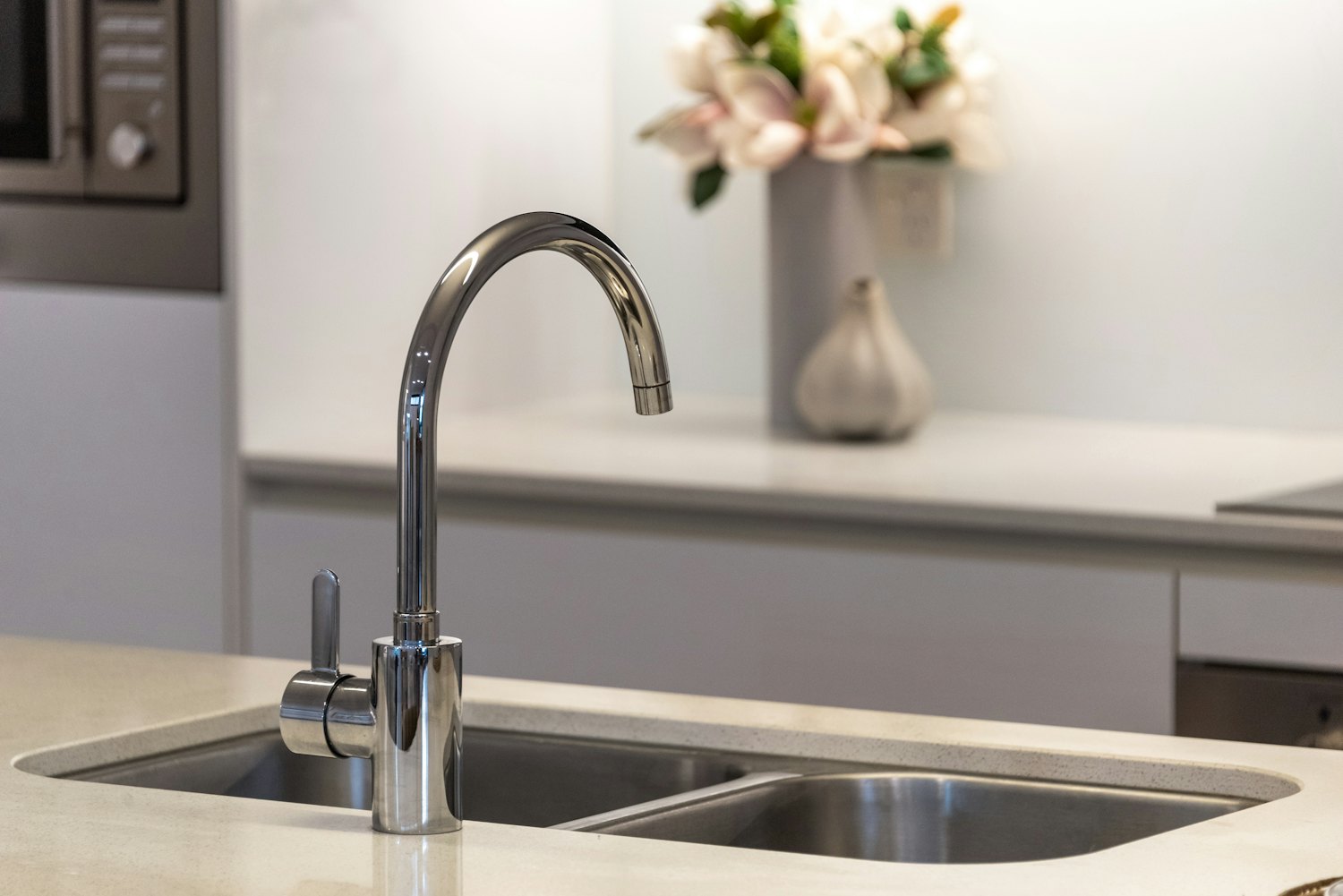
Two places to treat water
Point-of-entry (whole-house) treats water where it enters the home, so every tap and shower is covered. Point-of-use treats water at one fixture — usually under the kitchen sink — where you actually drink and cook. Both are legitimate; they just solve different problems. Choosing well saves money and gets you a fix that's actually certified.
The deciding question: exposure route
Most health contaminants — lead, PFAS, nitrate, arsenic — harm you when you drink or cook with the water, not when you bathe in it; very little passes through skin. So treating the kitchen tap addresses essentially all of the health risk, at a fraction of the cost. Whole-house treatment shines for different jobs: removing chlorine taste and odor everywhere, preventing scale, filtering sediment, and — for wells — UV disinfection of every tap.
Cost — and an honest certification fact
Point-of-use systems are typically a few hundred dollars; whole-house systems run well into the thousands plus installation. That gap is exactly why the exposure-route question matters. And there's a certification reality that settles many cases: for some contaminants the certified products are overwhelmingly point-of-use. Notably, there is no whole-house system certified to remove lead, and certified PFAS products are predominantly point-of-use. When a contaminant's only certified path is at the tap, the choice makes itself.
Find out where your treatment belongs.
The selector reads your contaminants by exposure route and points you to point-of-use or whole-house accordingly — certified either way.
Get my recommendationEducational information, not legal or regulatory advice. Confirm any product's current finished-product certification for your exact model in the NSF, IAPMO, or WQA database before buying.