Test your water first: city vs. well
Every honest filter recommendation starts the same way: find out what's actually in your water. The contaminants most worth removing give you no warning by taste, smell, or color.
Why guessing fails
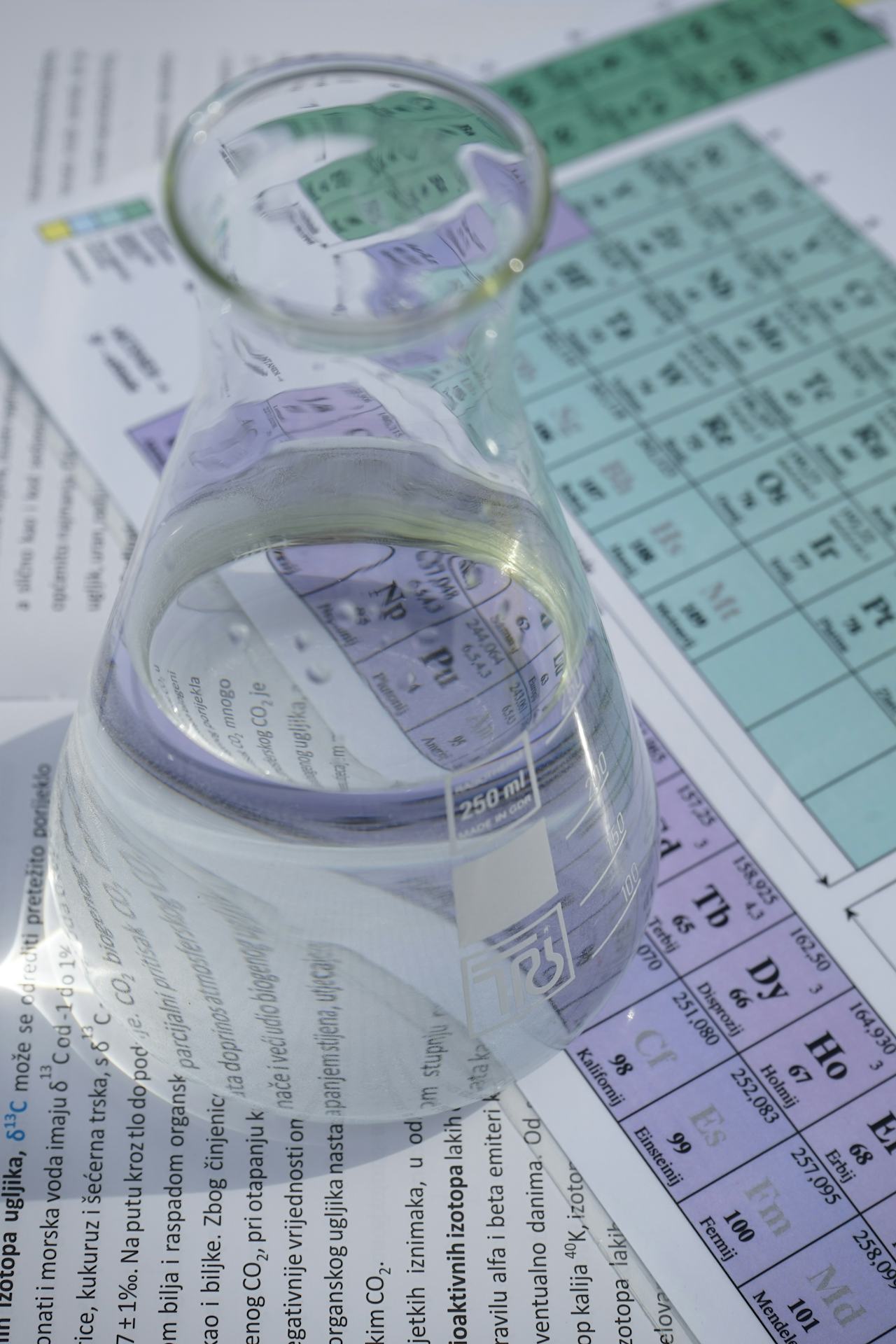
PFAS“Forever chemicals” — synthetic compounds linked to health harm. Certified reduction today generally covers PFOA and PFOS specifically.Learn more →, arsenic, nitrate, and lead are odorless, colorless, and tasteless. The things you can notice — a chlorine smell, orange staining, scale, a sulfur odor — are mostly aesthetic or appliance issues, not the gravest health risks. So your senses point you at the least dangerous problems and stay silent on the most dangerous ones. A certified lab test is the only reliable way to know what to treat.
City water
On municipal water you can start with your utility's annual Consumer Confidence Report (CCR) — but know its limit: it describes water in the distribution system, not at your tap. Lead in particular is usually picked up in your home's own plumbing, which the CCR can't see. So a clean CCR doesn't rule out a tap-level problem. Read the CCR and test your own tap, especially for lead and PFAS.
Find your local report through the EPA's CCR finder.
Well water
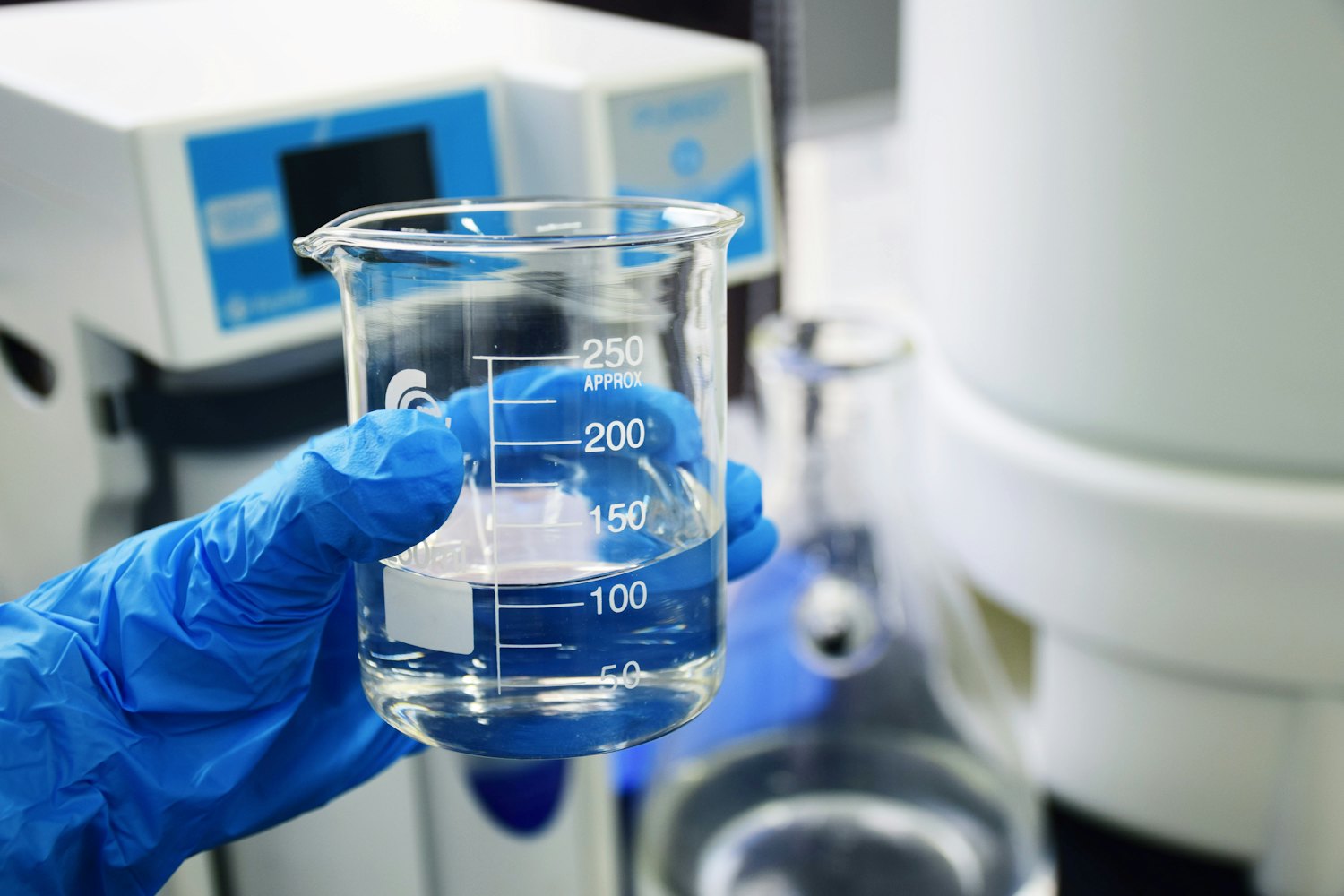
Private wells are unregulated — no agency tests them for you. Public-health guidance is to test at least annually for total coliform bacteriaMicrobial contamination (indicated by coliform / E. coli) — mainly a private-well issue, addressed by disinfection such as UV certified to NSF/ANSI 55 Class A, not by chemical filters.Learn more →, nitrate, total dissolved solids, and pH, and to add region-specific tests (arsenic, radionuclides) based on local geology. Test more often if you have infants, elderly, pregnant or nursing household members, after any flooding or well work, or if there's new industrial or agricultural activity nearby. Always use a state-certified lab.
A test is also the cheapest way to avoid overspending
Beyond safety, testing keeps you from buying hardware you don't need — or missing something you do. It's the single highest-value $50–$300 you can spend before any equipment. Once you know your numbers, the selector turns them into the right system, the right size, and the right location.